Last updated: November 19, 2026
Key Takeaways
- Cash deposits vary by account, so teens should match the method to the bank’s rules.
- The basic process is choose a channel, prepare the cash, complete the deposit, and verify the receipt or app update.
- Teens usually can use a branch, ATM, app-linked cash service, or store cash-load tied to a debit card.
- Clean bills and clear counts help reduce delays and deposit problems.
A teen can use How Teens Can Use Cash Deposits in a Bank Account by putting bills and coins into an account through a bank branch, ATM, bank app-linked cash service, or a retail cash-loading service tied to a debit card. The right method depends on the teen’s age, the account rules, and whether a parent or guardian has to be present. This guide focuses on How Teens Can Use Cash Deposits in a Bank Account and the steps that make it work.
Cash deposits for teens: what actually works
Cash deposits work best when the teen has a teen checking account or debit account that accepts deposits from cash at a bank branch, a deposit-enabled ATM, or a store cash-loading service. The exact method matters because not every account accepts every kind of cash deposit, and not every teen can use every channel alone.
For a teen, the practical question is not “Can money go in?” It is “How do I get the cash into the account without losing it, delaying it, or running into account limits?” A bank branch is the simplest option when the amount is larger, the bills are mixed, or the teen wants a paper receipt. An ATM is faster after hours but may not take envelopes or loose coins. A store cash-loading service can be useful when the teen already has a debit card and needs same-day access to the money, but it usually comes with a separate process and sometimes a fee charged by the store or service provider.
Cash deposits also matter because many teens still get paid in cash for babysitting, lawn work, game coaching, or tips. Keeping that money at home is risky. A bank account turns it into something trackable, spendable, and easier to budget with a card or app. The trade-off is that cash can be awkward to move compared with digital transfers, and the teen has to follow the bank’s rules closely. CFPB
If the goal is learning to manage money, this topic fits the broader teen banking and spending accounts hub. That hub covers the account setup side; this page stays focused on how the cash gets in. See also teen checking accounts, debit cards for teens, and how bank account holds work.
How to deposit cash step by step
You can deposit cash in 4 main steps: pick the deposit channel, prepare the money, hand it off or insert it, and confirm the receipt or app update.
-
Choose the deposit method your account allows.
Check whether the account accepts cash at a bank branch, a deposit-enabled ATM, or through a retail cash-loading service linked to a debit card. The result you want is simple: a method that matches the account and the teen’s level of access. -
Count the cash before leaving home.
Sort bills by denomination and separate coins, because a teller or machine will move faster with clean stacks than with a mixed pile. If the deposit is $20, $60, or $200, knowing the exact amount helps spot mistakes right away. -
Bring the right items.
At a branch, that usually means the debit card or account number and a piece of ID if the bank asks for it. At an ATM, it may mean only the card and PIN. A store cash-loading service often needs the card and the cash in hand. The specific tool changes the result: fewer missing documents means less chance of a failed deposit. -
Make the deposit in the channel you chose.
Give the cash to the teller, insert it into the ATM, or hand it to the retailer following the register prompt. If the machine asks for an envelope or a count, follow that exact method rather than guessing. The goal is a deposit record that matches the cash you brought. See bank branch deposits and ATM cash deposits. -
Keep the receipt and check the balance.
Save the paper receipt or screenshot and look for the deposit in the bank app. Many deposits show immediately in the balance, but the exact availability can vary by channel. A receipt is the proof if the total looks off by even $5.
The biggest mistake is rushing the count. A teen who drops in a loose $100 bundle without checking it may not know there was a missing $10 bill until later. Slow the process down for 2 minutes at the counter or before the ATM screen times out.
Where teens can put cash: branch, ATM, app, or store
Teens can usually move cash into an account through a bank branch, an ATM, a bank app-connected cash service, or a store cash-loading option tied to a debit card. Each one solves a different problem, and each has a different downside. For bank rules, see teen bank account requirements and cash deposit limits.
A bank branch is the clearest choice when the teen wants human help. A teller can count the bills, accept a deposit into the right account, and print a receipt. This is often the better fit for larger amounts, damaged bills that still need review, or a first-time deposit where the teen wants the process explained. The downside is timing: the branch has opening hours, and not every teen can get there easily on a school day. FDIC
An ATM is useful when the teen wants speed and the branch is closed. Many ATMs accept cash deposits directly into a linked account, which makes them a good after-school or evening option. The trade-off is that ATMs are less forgiving than people. If the machine jams, rejects a bill, or counts the cash incorrectly, the teen has to deal with the bank’s resolution process. I would not use an ATM for a deposit that is all crumpled bills or includes a lot of coins.
A bank app usually does not take cash by camera the way it takes a check. Instead, some banks use app-connected tools that help locate deposit-ready ATMs or partner cash locations. The app is still important because it shows the posting status, available balance, and alerts. A teen who deposits $50 and then spends it right away should check whether the account has only a pending balance or fully available funds.
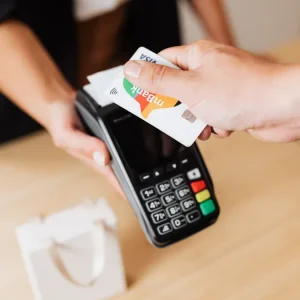
A store cash-loading service can be a fast option when a teen already has a debit card and needs to load physical cash onto it. This is common at retail cash counters and certain prepaid or debit programs. The upside is convenience; the downside is that the process may be less familiar, and a separate service fee may apply depending on the retailer or program. If the account is meant for regular bank deposits, this method may not be the primary one. See cash reload locations and prepaid debit cards.
The wrong choice is trying to force one channel to act like another. An ATM is not a teller. A store cash load is not the same thing as a branch deposit. A teen should pick the method the account was built for, and if the rules are unclear, check with the bank or another qualified professional before depositing. See bank deposit methods.
What to do with bills, coins, and loose cash
Cash handling matters because the bank cares about clean counts, readable bills, and whether the money is accepted in the first place. A teen who brings organized cash is less likely to get delayed at the counter or rejected by an ATM.
Bills should be flattened and sorted by denomination. A stack of 10 singles is easier to verify than a wad of mixed bills and receipts. If the money came from odd jobs, separate large denominations from small ones before leaving home. That turns a messy pile into a $25, $40, or $75 deposit the teller can process quickly.
Coins are the tricky part. Many deposit ATMs do not take loose coins at all, and many cash-loading counters are designed for bills only. A bank branch may accept coins, but the policy depends on the branch and the account. If a teen has a jar of quarters and dimes, calling ahead or using a coin-counting machine the bank offers is the practical move. Do not assume a cashier or ATM will handle a pound of change just because it is money. (Source: Consumer Bankers Association)
Damaged bills can also slow things down. A torn $20 may still be accepted if it meets the bank’s standards, but the teller may need to inspect it. Burns, tape, or missing corners can turn a quick deposit into a longer conversation. That is one reason a branch is better than an ATM for questionable bills.
If the cash looks hard to count, a machine will probably dislike it too. If the teen can sort it in 5 minutes at home, the deposit usually goes more smoothly in public.
How long a cash deposit takes to show up
A cash deposit can show up right away in the account balance, but available funds and final posting can still depend on the deposit method and the bank’s rules. That is what teens notice most, because a balance on a screen is not always the same as money that can be spent immediately.
At a bank branch, a teller deposit is often the easiest to confirm because the teen gets a receipt and usually sees the account update quickly. At an ATM, the balance may update soon after the machine finishes, but the teen should still check the receipt or app before assuming the money is ready to spend. If the ATM is out of service or the deposit is marked for review, the timing can be slower.
With a store cash-loading service, the money may be available quickly, but the exact timing depends on the card program and the retailer’s process. A teen should not treat every cash-load service as identical to a bank deposit. The app or receipt should show whether the funds are usable now or still pending.
The most important habit is to check the account twice: once right after the deposit and once later the same day or the next morning. That catches errors early. If a teen deposited $80 and the app only shows $60, the receipt is the first thing to pull out when contacting the bank.
This is also where I would be careful about spending too soon. If the account balance is updated but the bank still has a hold or a review flag, a debit card purchase can fail. A teen who wants to buy lunch or pay for a ride should verify available balance, not just the total shown in the app. See available balance vs. current balance.
For anything unusual — a machine that took cash and froze, a missing receipt, or a deposit that never appears — the teen or parent should contact the bank promptly. That is financial housekeeping, not a sign that the account is broken.
The mistakes that cost teens the most
The most expensive mistakes are using the wrong deposit method, skipping the receipt, and depositing cash without checking account rules first.
Using the wrong method can mean the cash is rejected, delayed, or loaded onto a different kind of balance than the teen expected. A branch deposit is not interchangeable with a store cash load, and an ATM will not always take the same kind of cash a teller will. The cost is time, extra trips, and sometimes a fee if the wrong service was used.
Skipping the receipt costs proof. If the bank app later shows the wrong amount, the teen has nothing to match against the original deposit. A receipt with the date, location, and amount is the cleanest record to keep for at least a few days.
Depositing cash without knowing whether the account allows it can create a dead end. Some teen accounts are linked to a parent-managed setup or have specific access rules for deposits and withdrawals. The fix is simple: check the account terms or ask the bank before making a trip with $150 in cash and a deadline.
Another mistake is mixing personal cash with money that belongs to someone else. Babysitting cash, birthday money, and lunch money should not get tossed together if the teen needs to track where each dollar came from. A few labeled envelopes at home can make that easier.
The one group this method is not ideal for is a teen who needs to deposit cash frequently in places with no branch or participating ATM nearby. In that case, convenience matters more than the “best” method, and a store cash-loading service may be the only realistic option.
For rules on fees, account opening, and parent involvement, use the account-specific pages instead of guessing. The deposit method should fit the account, not the other way around.
What is the safest way to deposit cash?
The safest way to deposit cash is usually a staffed bank branch during open hours, with a receipt kept until the deposit appears correctly in the account. That gives the teen a person to talk to, a paper trail, and the best chance to catch a counting mistake on the spot.
A branch lowers a few common risks. Cash is handled directly, the deposit is less likely to be jammed into a machine, and a teller can flag suspicious or damaged bills. If the teen is carrying a larger amount, going with a parent or guardian may be the safer practical choice, especially after school or in an unfamiliar part of town.
An ATM can still be a reasonable option when the branch is closed, but it is safer only if the machine is well lit, in a secure location, and clearly marked for deposits. The teen should not use a random machine because it looks convenient. If the ATM is outside a branch lobby, check that no one is crowding the area and use the card, cash, and PIN quickly.
Store cash-loading can be safe too, but it depends on the store and the situation. The teen should keep the cash concealed until the transaction begins, count the money privately, and avoid holding out a visible stack in a parking lot or sidewalk line. Safety is not just about the bank; it is also about where the cash is handled.
The simplest rule is boring but effective: fewer handoffs, fewer surprises. A clean trip to the branch or a well-run ATM is usually better than improvising with a bag of bills.
Can teens deposit cash without a parent?
Sometimes, yes. Some teen accounts let the teen make a cash deposit alone at a branch, ATM, or store cash-loading location, but the account rules control this, not the teen’s age alone. A teen should check the account agreement or ask the bank before assuming solo access is allowed.
How long cash deposits take to clear?
Cash deposits often appear quickly, but the exact timing depends on the method and the bank’s processing rules. A teller deposit may show up right away, while some ATM or store-based deposits can take longer to reflect as fully available funds. The safest habit is to confirm the receipt and check the app after the deposit.
What is the safest way to deposit cash?
A staffed bank branch is usually the safest option because a person can verify the amount and give a receipt. If that is not possible, a well-lit deposit ATM or a familiar store cash-loading location can work, but the teen should keep the receipt and check the balance as soon as possible.
Drafted with AI; not yet reviewed by a person.