Last updated: November 20, 2026
Quick Answer: A teen can use a teen debit card at an ATM for cash withdrawals by inserting the card, entering the PIN, choosing cash withdrawal, and taking the cash if the account has enough money. The bank network, card limits, and ATM fees decide whether the withdrawal works and what it costs. The steps below show exactly what to check first and what to do if the machine acts up.
Key Takeaways
- A teen needs the card, the PIN, and enough money in the account before trying an ATM.
- Bank-owned ATMs often cost less than out-of-network machines, but fees can still show up on the screen.
- The receipt tells you the amount, the fee, and whether the machine finished the transaction.
- If the ATM freezes, keeps the card, or gives no cash, the first move is to stop and get help from the bank right away.
- A card without a PIN cannot normally make a cash withdrawal at an ATM.
What a teen needs before using the ATM
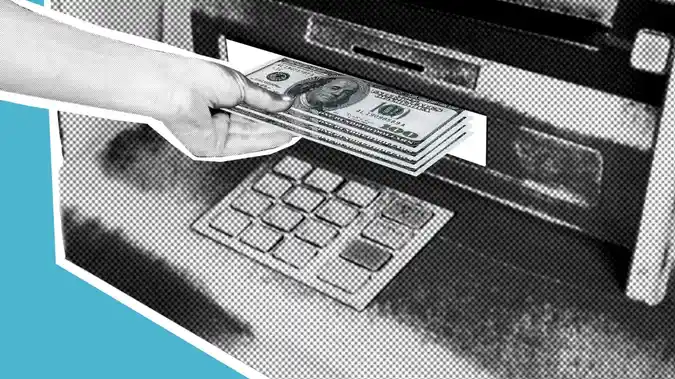
Picture this: you’re standing at the ATM, card in hand, and the screen is waiting for the PIN. What matters first is simple: the debit card, the PIN, and a balance that can cover the cash plus any fee. If any one of those is missing, the withdrawal can fail before the cash screen even appears.
A teen also needs to know the card’s daily withdrawal limit. That limit may be set by the bank, the teen account rules, or both. It can be lower than the total money in the account. If the account has $200 but the limit is $40, the ATM may only let the teen take out $40 that day.
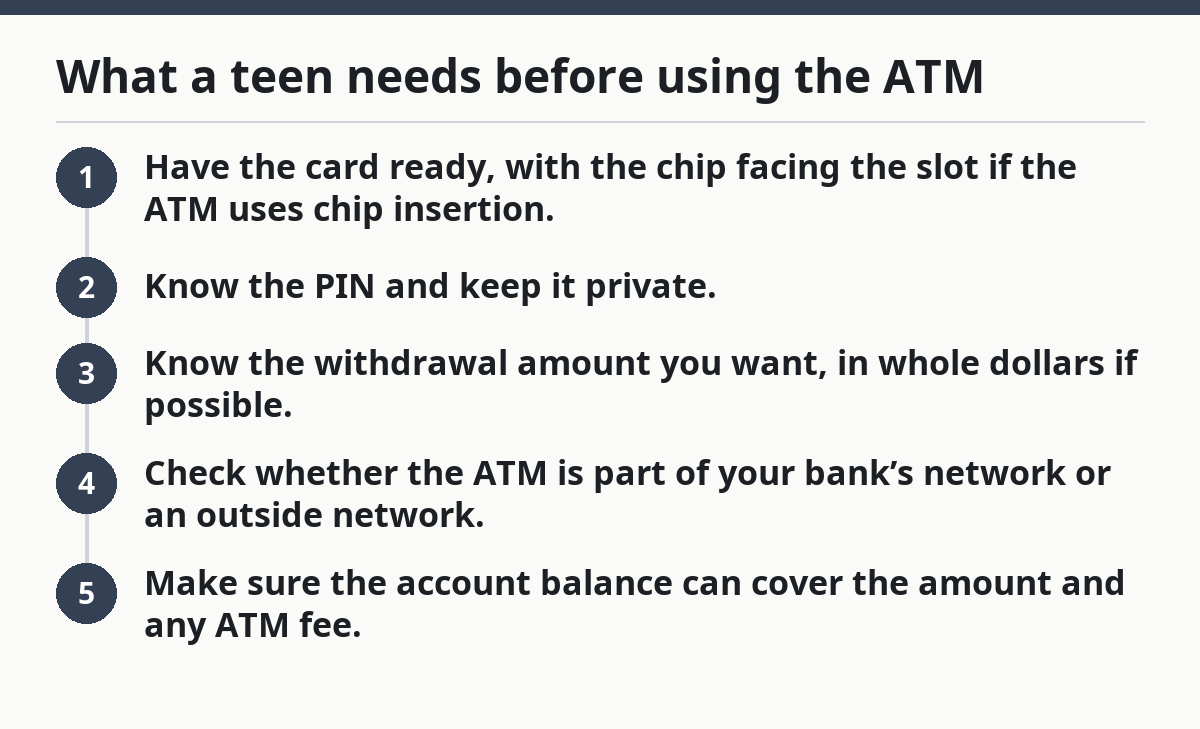
Before walking up to the machine, check these basics:
- Have the card ready, with the chip facing the slot if the ATM uses chip insertion.
- Know the PIN and keep it private.
- Know the withdrawal amount you want, in whole dollars if possible.
- Check whether the ATM is part of your bank’s network or an outside network.
- Make sure the account balance can cover the amount and any ATM fee.
A quick check on the app or receipt from a recent balance inquiry can save a wasted trip. If the balance is low, the ATM may show an error or decline the cash request.
How do you withdraw cash with a teen debit card at an ATM?
You withdraw cash by inserting the card, entering the PIN, selecting cash withdrawal, choosing or typing the amount, and taking the money plus the receipt if you want one. The machine should end with a message that the transaction is complete and the card returned.
Here’s the core process, in order:
- Insert or tap the card if the machine supports tap-to-withdraw. If the ATM asks for card insertion, slide the chip in the slot exactly as shown on the machine.
- Select your language and choose “withdrawal” or “cash withdrawal.” If the screen asks for an account type, pick the checking account tied to the teen debit card.
- Enter the PIN on the keypad. The ATM should move to the next screen without an error message. Shield the keypad with your hand.
- Choose the amount. If the ATM offers preset buttons, pick one that fits the daily limit. If not, type the amount carefully.
- Wait for the cash. The machine should count out bills, then return the card or ask you to take it first.
- Take the cash, the card, and the receipt. The screen should show that the transaction is complete before you walk away.
A common mistake is rushing the last step. If the card is left behind, some ATMs keep it after a short timeout. Another mistake is trying to withdraw a round amount that is bigger than the limit. That usually ends with a declined transaction and no cash.
How teen ATM fees work
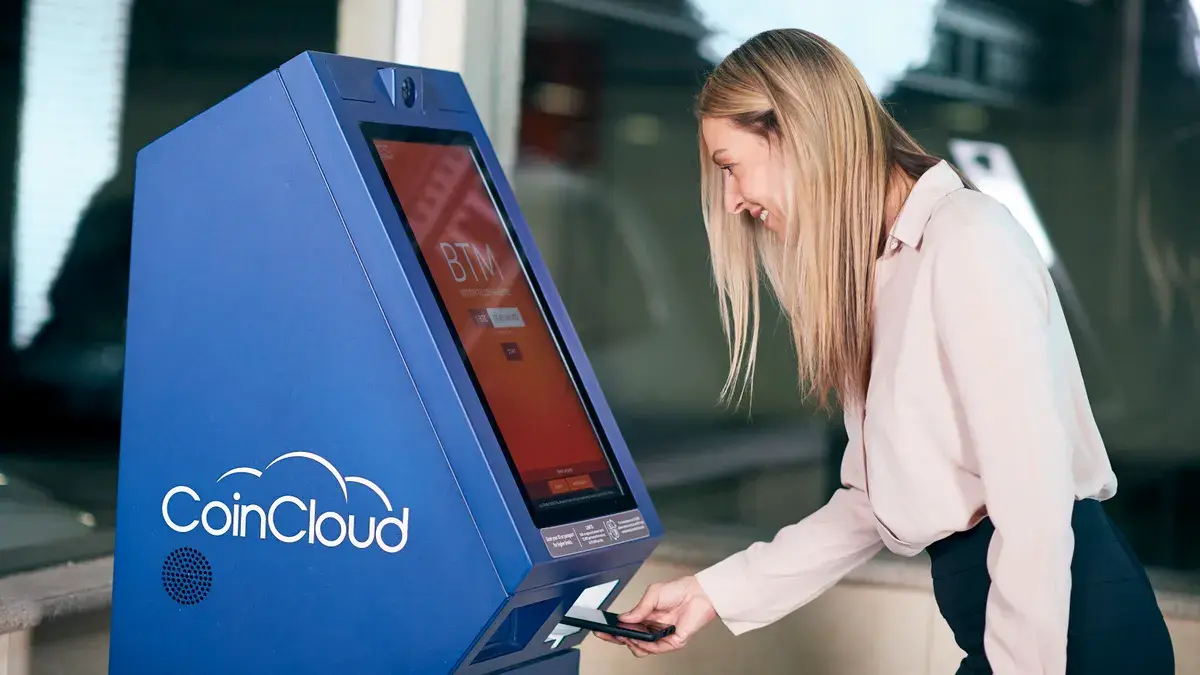
Teen ATM fees can be free, small, or annoying, depending on the machine and the bank network. A bank-owned ATM often has lower fee risk than an out-of-network machine, while an out-of-network ATM can add a charge from the machine owner, the card issuer, or both.
The ATM screen may show a fee before you finish. Read that screen. If it says the withdrawal will cost extra, the total will include the fee as soon as you confirm. If the account has just enough for the cash amount but not the fee, the withdrawal can fail.
Some teen debit cards are tied to a parent or guardian account with their own ATM rules. That can mean:
- lower withdrawal limits
- fewer free ATMs
- alerts sent after each withdrawal
- a block on certain machine types
On the flip side, bank-owned ATMs often handle problems faster. If the machine eats the card or fails to pay cash, the bank that owns the ATM is easier to reach than a random cash machine operator. That does not erase the fee issue, though.
A good habit is to check the fee notice before pressing “confirm.” If the fee is higher than expected, cancel the transaction and find a network ATM instead. The cash should not cost more than the errand is worth.
For fee details, the Consumer Financial Protection Bureau explains how ATM charges can work, and the ATM Industry Association has practical guidance on machine basics. Many banks also list withdrawal limits and fee rules on their support pages. If the card is tied to a teen account under a parent or guardian, those account settings can matter just as much as the machine itself.
What if the ATM won’t give cash or keeps the card?
If the ATM won’t give cash or keeps the card, stop using the machine and contact the bank or ATM owner right away. That is the safe move because the machine may have swallowed the card, frozen mid-transaction, or charged the account without giving cash.
Picture this: the screen says “processing,” then nothing happens. Or the cash slot stays empty while the card disappears into the machine. That is not the time to try the same button again and again. Wait for the screen to finish or time out, then look for the bank’s phone number on the machine.
Use this order if something goes wrong:
- Check whether the machine says the transaction is complete.
- Look for cash in the tray and take the receipt if one printed.
- If the card is retained, note the ATM location, time, and the last screen message.
- Call the bank using the number on the back of the card or the ATM.
- If cash was not dispensed but the account was charged, report the failed withdrawal as soon as possible.
Do not let a stranger “help” by reopening the slot or forcing the card out. That can damage the machine and make the problem worse. If the ATM is in a bank branch and staff are present, tell them what happened before you leave the lobby.
A failed withdrawal can take a few days to sort out, and the bank may need the ATM record to reverse the charge. The receipt, if you have one, helps. If you do not have a receipt, write down the exact amount and the machine’s location while it is fresh.
How to use the receipt and check the withdrawal
You use the receipt to confirm the amount, fee, time, and location of the withdrawal, then compare it with the account activity. The receipt matters because it is the easiest paper trail if the ATM charged the wrong amount or never gave cash.
Not every teen needs a paper receipt every time, but the first few withdrawals are easier with one. The receipt should show the date, the amount withdrawn, and any fee listed by the ATM. If the receipt says “transaction canceled,” that is a clue the money should not have left the account.
Check three things before tossing the receipt:
- Does the amount match what you asked for?
- Does the fee match what the screen showed?
- Does the time and location match the ATM you used?
If the app or next statement shows a different amount, save the receipt. The receipt can help the bank track whether the machine completed the withdrawal or only started it. A teen account with parental controls may also send an alert, so check that message too.
The receipt is more than paper clutter. It is proof. Keep it until the account activity matches the withdrawal, then toss it or file it with other bank records.
What limits and safety checks matter most for teens?
The most important limits are the daily cash limit, the per-transaction limit, and the bank network rules on the card. Those three things decide whether the ATM will dispense cash, how much it will give, and whether a fee shows up.
Picture this: you know your PIN, the account has money, and the ATM still says no. That usually means the amount is too high, the card is blocked for that machine, or the network does not allow the withdrawal. The ATM is not guessing; it is following the card rules.
Safety checks to use every time:
- Cover the keypad when entering the PIN.
- Use an ATM in a bright, public place when possible.
- Take the cash immediately; do not leave it in the tray.
- Put the card away before walking off.
A teen should also know what not to do. Do not write the PIN on the card sleeve or save it in a note app in plain text. Do not hand the card to a friend “just this once.” And do not keep retrying after a declined withdrawal unless you know the limit has room. Three failed tries can lock the card or prompt a fraud check.
For card rules, the bank’s help page can be a useful source, and the ATM Industry Association has practical guidance on cash machine basics. If the card is tied to a teen account under a parent or guardian, those account settings can matter just as much as the machine itself.
Can a teen use any ATM, or only certain ones?
A teen can use many ATMs, but bank-owned ATMs and the card’s own bank network are usually the best fit. Not every machine accepts every card, and some ATMs charge extra or cap withdrawals more tightly than others.
Picture this: you see a machine at a store entrance and assume it will work. It may work, but it may not be the cheapest choice or the easiest one if something goes wrong. A bank-branded ATM is often the cleaner first try because it is more likely to match the card’s network and fee rules.
Here’s the catch: outside ATMs can still work fine, but they bring more unknowns. The machine owner may add a fee, the card issuer may add another, and the withdrawal limit may be lower than expected. If the goal is a quick cash pickup, the nearest bank ATM is often the cleaner option.
If the teen card was issued with special account controls, the bank may also block certain ATM types, including:
- international ATMs
- cash machines outside the network
- machines that do not support chip cards
- withdrawals above a set amount
That is why the first step is not just “find an ATM.” It is “find an ATM that matches the card rules.” A few minutes of checking beats a declined withdrawal and a fee you did not want.
For a matching ATM, many banks list their network locations on their own sites, and major card networks also provide ATM locators. For example, Visa and Mastercard each offer tools that can help you find a compatible machine before you leave home.
FAQ
What if the ATM keeps the card?
If the ATM keeps the card, stop using the machine and contact the bank or ATM owner right away. The card may be locked inside for security, and forcing the slot can make recovery harder. Write down the location, time, and any message on the screen, then ask the bank how to replace or recover the card.
Are teen ATM withdrawals free?
Teen ATM withdrawals are not always free. Some are free at the bank’s own ATMs, while out-of-network machines can charge a fee from the ATM owner, the card issuer, or both. Read the fee screen before you confirm, and use a bank-owned ATM when you can.
Can a teen withdraw cash without a pin?
A teen usually cannot withdraw cash from an ATM without a PIN. The PIN is the normal security check for debit card cash withdrawals. If the PIN is forgotten or blocked, the cardholder needs to reset it through the bank’s support process before trying again.
Drafted with AI; not yet reviewed by a person.