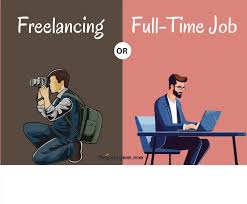
Last updated: August 10, 2026
- In 2024, federal minimum wage in the U.S.
- remained $7.25 an hour, while many states and cities set higher rates.
- According to Indeed’s 2024 hiring guidance, employers often scan resumes in seconds, so simple proof of reliability matters.
- In practice, that can mean turning a skill into income within 1 to 7 days.
Quick Answer: Comparing earning money first jobs — complete guide options? For many beginners, the strongest starting point is a first formal job that pays on a schedule and gives you a reference. Need cash faster? Short-term work is usually the quicker route. For teens, the U.S. Department of Labor says federal rules generally allow work at age 14 in many nonhazardous jobs, and the Fair Labor Standards Act sets limits on hours for 14- and 15-year-olds during school weeks.
Want your first job? The real question is not “How do I get hired?” It is “What kind of first job will pay me, teach me something useful, and not waste my time?” I write about work, pay, and early-career decisions, and honestly, the best first job is usually the one that gives you a real skill, a steady schedule, and a name you can use on your next application. In this earning money first jobs — complete guide, the choice depends on your schedule, your transportation, and how soon you need income.
The Real Difference Between Earning Money and Getting Your First Job
Earning money and getting a first job are not the same problem. Mix them up, and people chase the wrong thing.
Need to start earning quickly? Short-term work is often faster: babysitting, lawn care, tutoring, pet sitting, moving help, food delivery where allowed, retail shifts, or small freelance tasks. Those jobs put cash in your pocket sooner, but they can be inconsistent, seasonal, or limited by age, transportation, or local rules. In 2024, federal minimum wage in the U.S. remained $7.25 an hour, while many states and cities set higher rates.
A first job, in the sense most people mean it, is usually your first formal role with an employer: a store, restaurant, office, camp, warehouse, or service business. Slower to land? Yes. But it gives you a reference, a resume line, and a clearer sense of how work actually runs. And it teaches the boring stuff that turns out to matter: showing up on time, handling a manager, working a shift, and staying useful when the job is repetitive.
I would separate the two this way:
- If you need cash fast, focus on work you can start this week.
- If you need a foundation, focus on a job that looks good on a resume and teaches a repeatable skill.
That distinction matters because a generic “get a job” article usually pretends every path is equal. It is not. A one-off cash job can be better for a student with a packed schedule. A retail or restaurant job can be better for someone who wants a dependable paycheck and a reference. The right answer depends on how soon you need money, whether you can work regular hours, and whether you want the job to lead somewhere. Fast money is loud; stability is quieter. Better, though, depends on the person.
A first job should do at least one of three things: pay you on a schedule, teach a skill people value, or make the next job easier to get. If it does none of those, I would pass.
First Jobs: Who Should Actually Use This Path (and Who Shouldn’t)
A traditional first job wins for people who want structure. Never had a boss? Never filled out tax forms? Never had to manage a schedule, or stay professional when you were tired? A first job teaches all of that fast. For someone who needs to learn how work culture operates before trying something more independent, this path usually makes sense.
This path fits these people best:
- Students who can work evenings, weekends, or summer shifts
- Beginners who want a simple application process
- People who need regular pay rather than irregular gigs
- Anyone who wants a reference for future jobs
- People who learn better by doing than by reading instructions
The strengths are straightforward. Repetition builds confidence, and a first job gives you plenty of it. Over time, you start to notice what managers care about: attendance, attitude, speed, and not creating avoidable problems. You also learn how to talk about work in interviews with real examples instead of guesses. According to Indeed’s 2024 hiring guidance, employers often scan resumes in seconds, so simple proof of reliability matters.
The weaknesses are just as real. First jobs can be repetitive, physically draining, or low control. You may not get the shifts you hoped for. You may be told what to wear, when to come in, and how to do tasks in a way you do not love. Some first jobs pay close to the minimum in your area, and a lot of entry-level work comes with social stress: busy customers, a rushed pace, and correction from supervisors. Some days, the whole thing feels like carrying wet cardboard uphill.
I would skip this path if you need full flexibility, if transportation is unreliable, or if you cannot commit to a schedule. It is also a poor fit if you need to earn a lot right away and you already have a usable skill. In that case, freelance work, tutoring, repair work, or local services may beat a classic first job.
One thing generic advice gets wrong: not every first job has to be “your passion.” Bad guidance. A first job is often a training ground, not a life choice. The job only needs to be decent, safe, and useful enough to move you forward.
If you are trying to choose, ask one blunt question: do I want my first work experience to teach me how jobs work, or do I mainly want money with the least commitment possible? If it is the first, choose a formal first job. If it is the second, look at direct service work or short-term gigs.
Earning Money Fast: The Specific Situations Where Short-Term Work Wins
Short-term earning wins when speed matters more than polish. This is the better path if you need money before a formal employer would likely get you hired, or if you do not want to wait through an application process that may take days or weeks. In practice, that can mean turning a skill into income within 1 to 7 days.
The strongest cases for short-term money are practical:
- You need a small amount of money soon, not a full-time paycheck.
- You can work around school, family duties, or another job.
- You have a skill people will pay for right away.
- You live in a place where local word-of-mouth matters more than applications.
The obvious examples are babysitting, yard work, pet care, house cleaning, tutoring younger students, assembling furniture, moving help, errand running, and basic digital tasks. These jobs often start with people you already know or people your family can connect you with. That is a real advantage. A lot of first jobs are blocked by lack of experience. Small service jobs often are not.
The upside is autonomy. You can usually choose who you work for, when you work, and which jobs you accept. You can also adjust your rates or workload over time, though that takes trust and a reputation. For many people, this is the first time money feels directly connected to effort. That is motivating. The U.S. Bureau of Labor Statistics reported that the median usual weekly earnings for full-time wage and salary workers were $1,192 in Q2 2024, which is one reason small side jobs can feel meaningful early on.
The downside is uneven income. Some weeks are busy and some are dead. There may be no benefits, no formal training, and no backup if a client cancels. You may also spend unpaid time setting up, messaging, commuting, cleaning up, or correcting mistakes. A casual article about “earning money online” often hides that friction. I would not. If you want a neutral overview of labor protections and wages, the U.S. Department of Labor is a reliable starting point: https://www.dol.gov.
This path works best for someone who is responsible but not yet ready for a formal schedule. It is also good for people who are nervous about interviews. You can start with one small task and build from there.
I would not rely on this alone if you need stable income or if you tend to procrastinate when no one is scheduling you. Self-directed work punishes disorganization. It also requires more judgment than people expect: setting boundaries, avoiding scams, and deciding who is worth your time.
The Honest Side-by-Side
The difference between a first formal job and short-term earning is not just “employment versus side hustle.” It is control versus structure.
| Criteria | First Formal Job | Short-Term Earning | Winner for [condition] |
|---|---|---|---|
| Speed to first dollar | Slower because of applications, interviews, and onboarding | Faster if you already have contacts or a simple service to offer | Short-term earning for urgent cash |
| Schedule stability | Usually more predictable once hired | Often irregular and dependent on demand | First formal job for steady hours |
| Skill-building for future jobs | Strong for workplace habits, teamwork, and references | Strong for independence, sales, and customer handling | First formal job for resume value |
| Control over when and how you work | Low to moderate | High | Short-term earning for flexibility |
| Income consistency | More consistent pay cycle | Can vary a lot week to week | First formal job for predictable income |
| Barrier to entry | Can be higher because of applications and interviews | Can be lower if you already know people who need help | Short-term earning for beginners |
| Professional references | Usually yes | Sometimes, but less formal | First formal job for future applications |
| Risk of hidden unpaid labor | Lower, though unpaid commute and prep still exist | Higher if setup, messaging, and cancellations eat your time | First formal job for cleaner pay structure |
| Best fit for shy or inexperienced workers | Good if they want coaching and structure | Good if they want low-stakes, one-off work | Depends on anxiety level and support |
Here is the plain reading of that table: a first job is the better long-term base, and short-term earning is the better short-term escape hatch. That is the split I would make in almost every case.
A generic article often treats flexibility as an automatic win. That is not always true; if you are making a financial decision, consult a qualified professional when needed and check a trusted source such as the Consumer Financial Protection Bureau: https://www.consumerfinance.gov. Flexibility helps only if you can create your own structure. If you cannot, it turns into drift. On the other hand, formal structure only helps if the job is not so rigid that it crushes your schedule or wellbeing.
The real decision is not which is “better.” It is which pain you can live with: the discipline of a schedule, or the uncertainty of finding work.
The Application Process: What Actually Gets You Hired or Paid
A lot of people get stuck here because they assume the barrier is experience. Usually, it is not. The barrier is showing that you are safe to trust.
For a first formal job, the basics matter more than people think:
- Fill out the application carefully.
- Use a simple email address that looks serious.
- Bring or upload the documents they ask for.
- Dress neatly for interviews.
- Answer clearly when they ask about availability.
- Be honest about your schedule and transportation.
That sounds obvious, but the people who get hired fastest are usually the ones who make the process easy. Employers are not looking for perfect candidates at the entry level. They are looking for people who will show up, listen, and not create extra work.
If you are earning money through short-term work, the same rule applies in a different form. You need to look reliable. That means responding quickly, being clear about timing, showing up when you say you will, and doing the task as described. A parent hiring a babysitter, a neighbor hiring yard help, or a student hiring a tutor is making a trust decision. They want low drama and a clean handoff.
A few practical rules help either path:
- Make your availability easy to understand.
- Keep your pitch short.
- Use names and dates when you confirm plans.
- Do not oversell skills you do not have.
- If you are unsure, say so early.
The generic advice to “just be confident” is useless. What gets results is consistency. A teen who is on time, polite, and clear often beats a more “impressive” person who is vague or hard to reach.
This is also where you should start thinking like a worker, not just a job-seeker. Ask what the other person is trying to avoid. Employers want no-shows and attitude problems. Clients want missed appointments and sloppy work. If you can look like the opposite of those risks, you already have an edge.
The Work Itself: What First Jobs Teach That Money Apps Don’t
A lot of people think the only value of a first job is the paycheck. Too small a view.
A real first job teaches you things that are hard to learn from side gigs or app-based work alone. It teaches you how a chain of responsibility works. Someone assigns work. Someone checks it. Someone pays you. Someone notices if you disappear. That system matters in every later job, even if the tasks change.
Here is what a first job can teach well:
- How to take correction without melting down
- How to keep working when a task is dull
- How to handle a customer or coworker who is impatient
- How to ask a useful question instead of freezing
- How to finish a shift cleanly
That matters because early jobs often shape your habits. A person who learns to be dependable early has an easier time moving into better roles later. Not because a first job magically changes your life, but because employers keep hiring people who make their lives easier.
Short-term earning teaches different lessons. It can teach initiative, negotiation, and resourcefulness. It also teaches you how to price your time and protect your boundaries. Those are real skills. The catch is that they do not always come with mentorship. You have to build the judgment yourself.
I would pick a formal first job if you want more supervision and a clearer ladder upward. I would pick short-term earning if you already know you can self-manage and you need more control. If you are still learning basic work habits, structure is usually kinder than freedom.
One thing I would not recommend: trying to do everything at once. People who juggle a new job, a side hustle, and school often think they are being productive. Sometimes they are just spreading themselves thin. The result is missed shifts, sloppy work, and stress that follows them everywhere.
Our Verdict: Which One to Choose and Why
Choose a first formal job if you want steady hours, a reference, and a clean first line on your resume. Choose short-term earning if you need cash quickly, need flexibility, or cannot commit to a fixed schedule. Neither if you are looking for passive money, because that is a different problem entirely and usually not a beginner problem.
My direct recommendation is this: if you are starting from zero and can handle a schedule, take the first formal job. It is the better foundation. It gives you habits, proof of reliability, and a foothold in the working world. If your life is too irregular for that, do short-term earning first so you can build a little cash and confidence, then move into a formal role when you can. In a 2024 Pew Research Center survey, 57% of U.S. teens said they had at least some work experience, which shows that early work is common but usually small-scale at first.
I would not tell a beginner to chase the “highest paying” option in the abstract. That usually leads to frustration. I would tell them to choose the path that fits their current life. A good first job is one you can actually keep.
When to Reconsider This Choice Entirely
Sometimes the right answer is neither a first formal job nor short-term earning, at least not yet.
Reconsider the whole plan if:
- You are under the legal working age for the job you want. In that case, check local rules and talk with a parent or guardian before assuming anything.
- Your schedule is already overloaded with school, care duties, or health issues. A bad job fit can make everything else worse.
- You need specialized help, not entry-level work. If you already have a marketable skill, a more targeted path may be smarter.
- You are trying to solve a debt or budget problem with no plan. Earning money helps, but it does not replace a real budget, and for financial decisions it is wise to speak with a qualified professional.
This is where many “get money now” articles fail. They act like every reader has the same problem. They do not. Some people need training. Some need flexibility. Some need confidence. Some need money this week. The wrong answer is usually the one that ignores the real constraint.
If you cannot pick yet, I would start with the lowest-risk option that teaches something useful. That might be a small local service job, a part-time shift, or a simple role with a clear supervisor. The point is not to maximize prestige. The point is to get paid, learn how work works, and keep the next door open.
The Practical Starting Plan I Would Use
If I were helping someone start from zero, I would use a simple order of operations.
First, decide which you need more: speed, stability, or flexibility.
- Need speed: ask family, neighbors, classmates, and local community groups if anyone needs help.
- Need stability: apply to stores, restaurants, camps, offices, and other entry-level employers.
- Need flexibility: look for short shifts, seasonal work, tutoring, pet care, yard work, or similar task-based jobs.
Second, build a tiny starter toolkit